Aristotle Park
Stagira
Multimedia Map Description

How to get

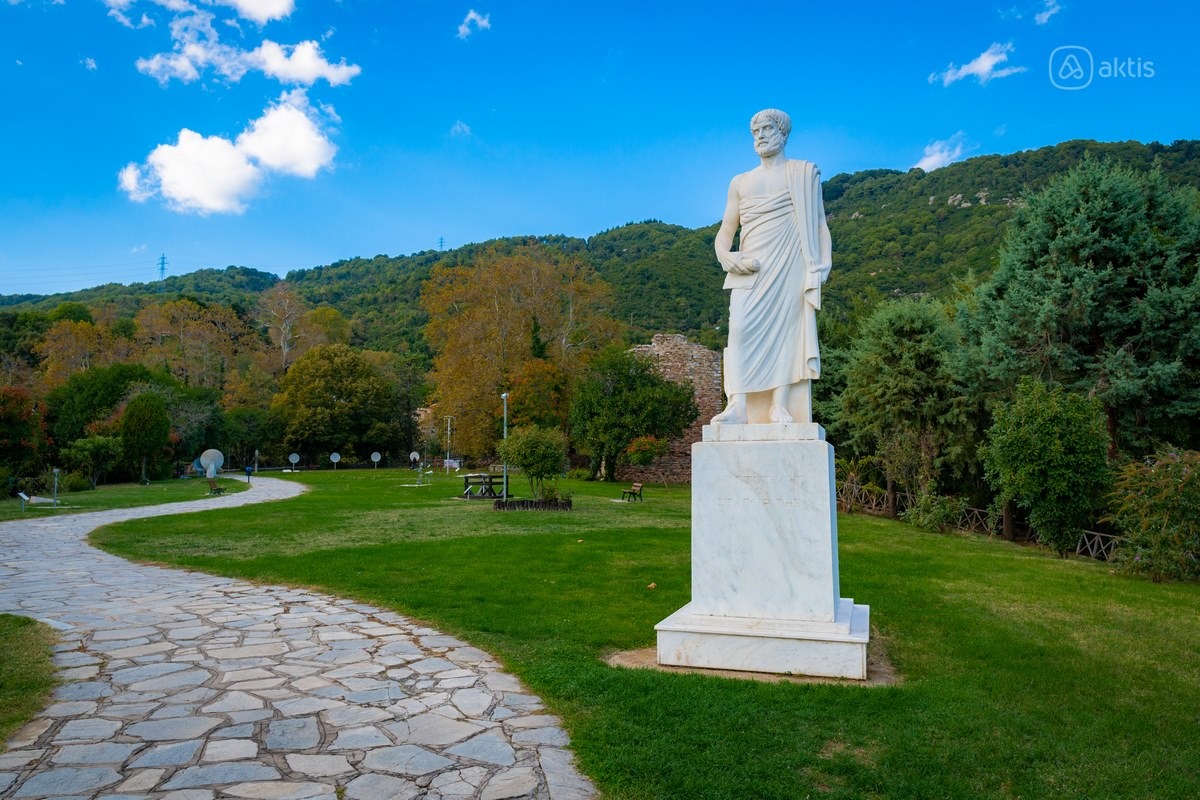
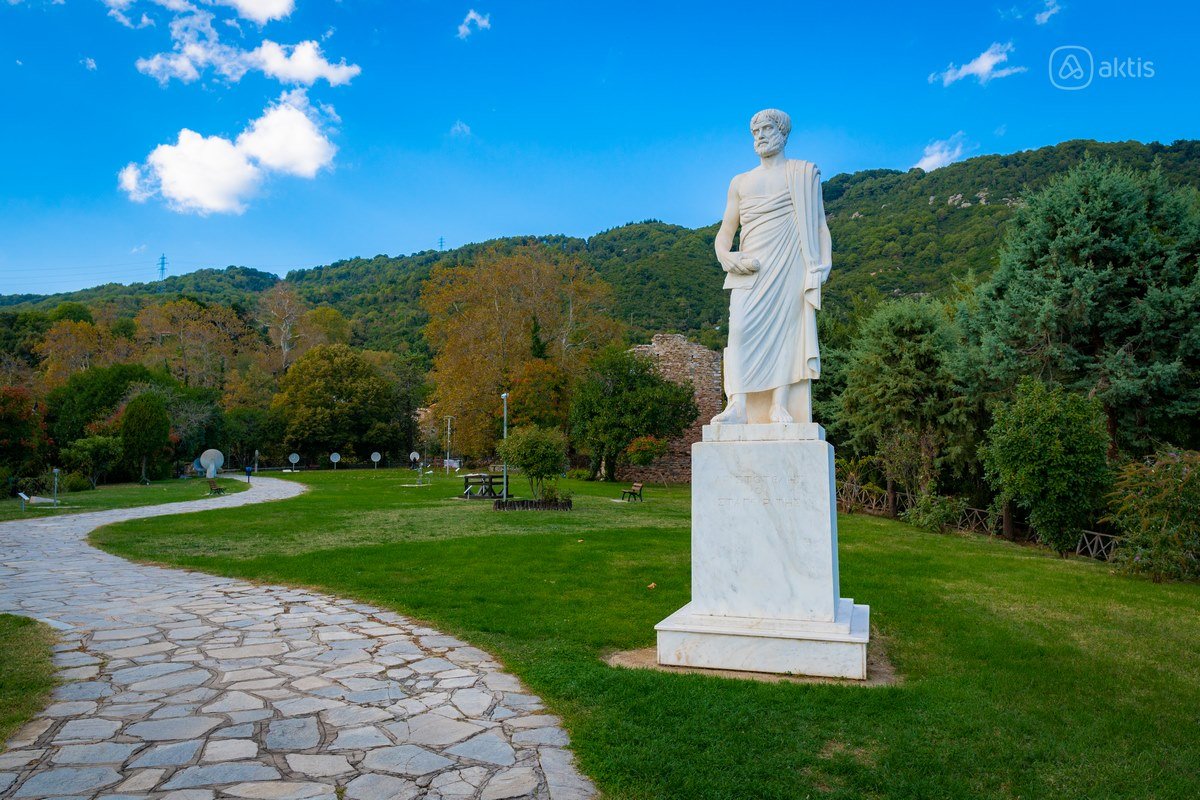
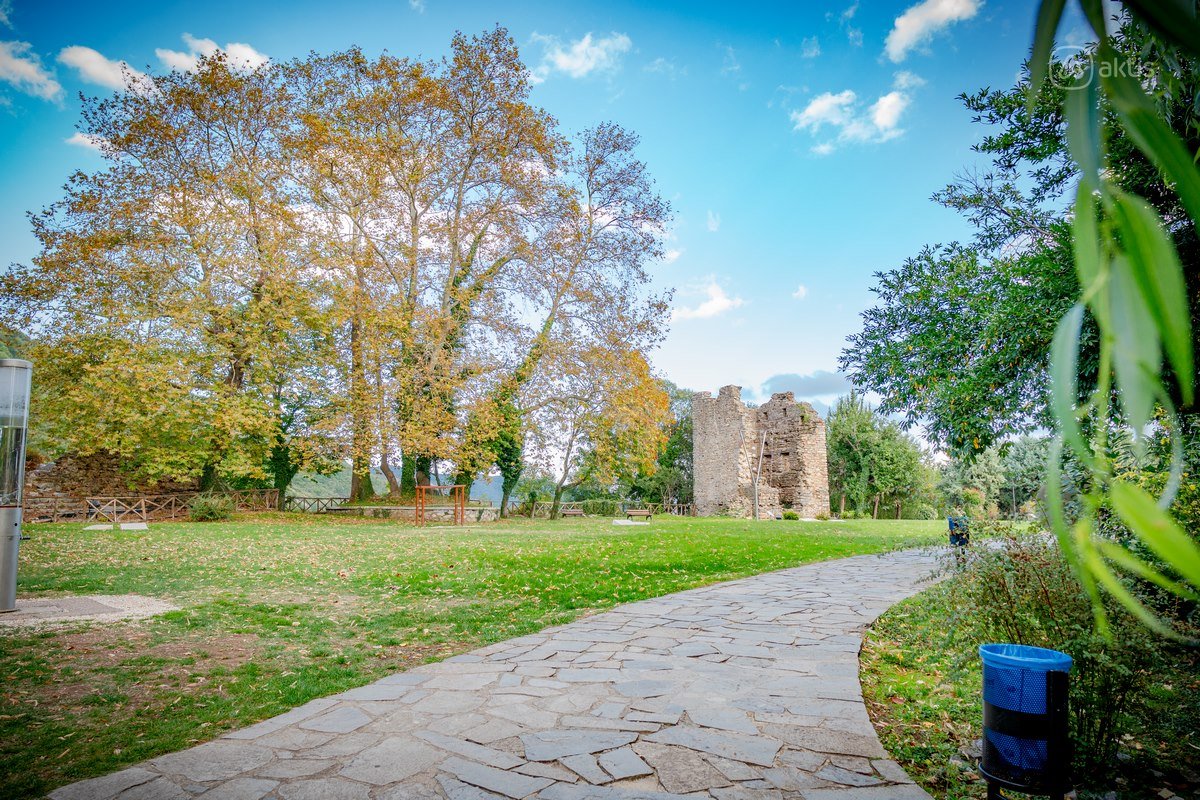
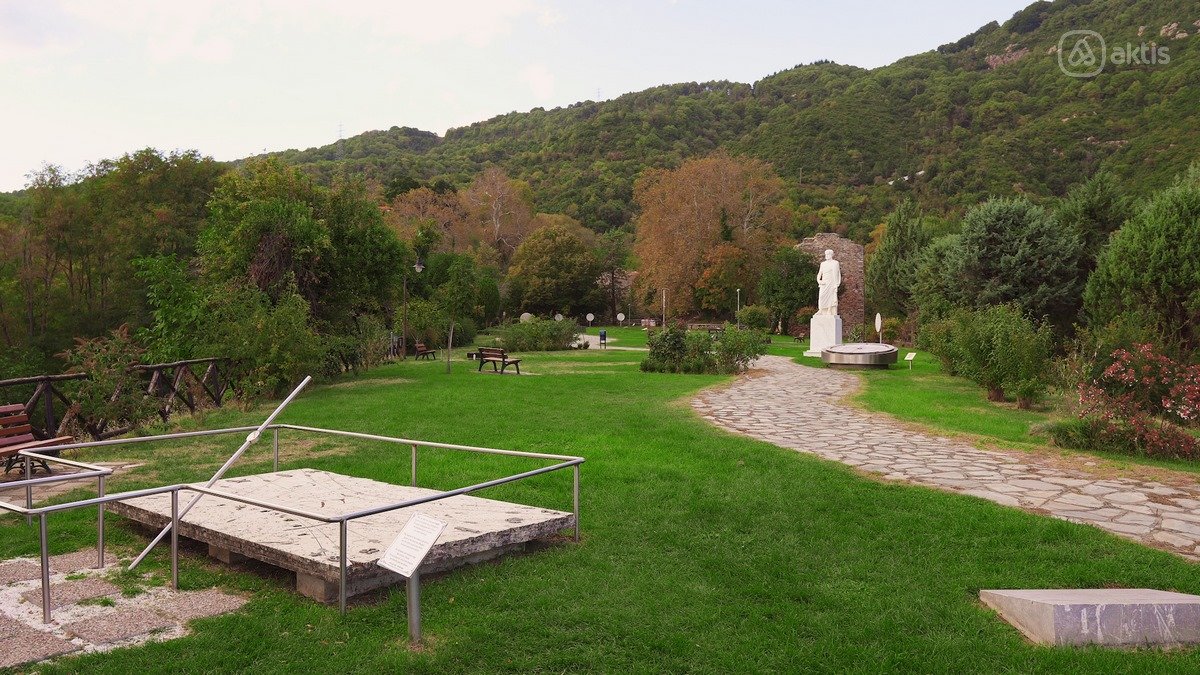
Nestled in the historic village of Stagira in the municipality of Aristotelis, Halkidiki, Aristotle Park is a unique themed destination combining history, education, and nature. The park honors the great philosopher Aristotle, who was born in nearby Ancient Stagira, with interactive exhibits and breathtaking surroundings.

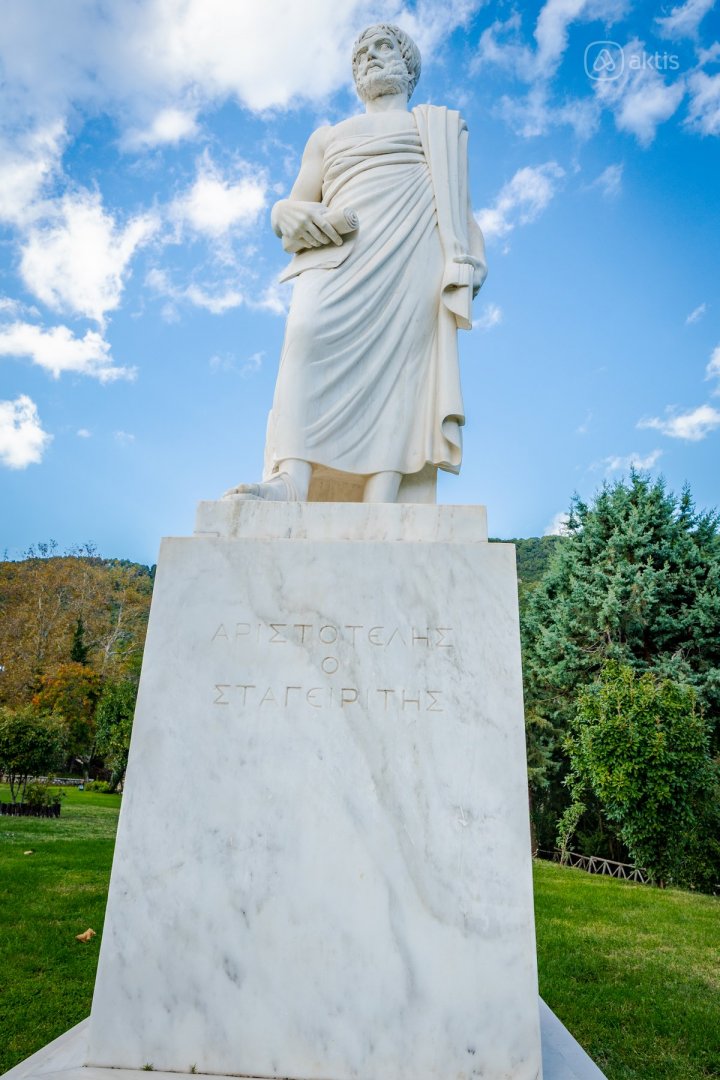
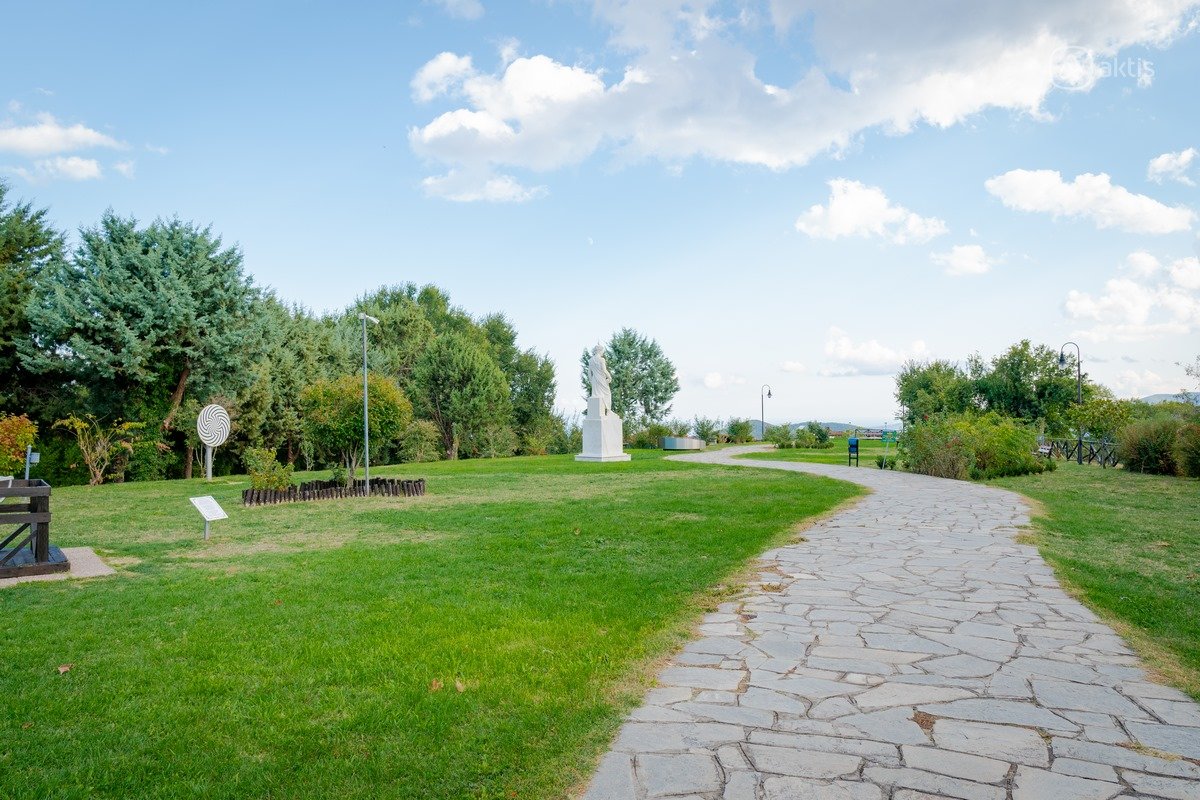
Aristotle Park is the only themed park in Halkidiki, offering experimental instruments that operate based on natural laws described by the philosopher, particularly his contributions to physics. The scenic grove with panoramic views of Ierissos Bay and Mount Athos existed long before, but the placement of a grand Dionysus marble statue of Aristotle in 1956 elevated its significance. The scientific exhibits were added in 2003, and today the park is managed by the Municipal Enterprise of the Municipality of Aristotle.

Interactive exhibits

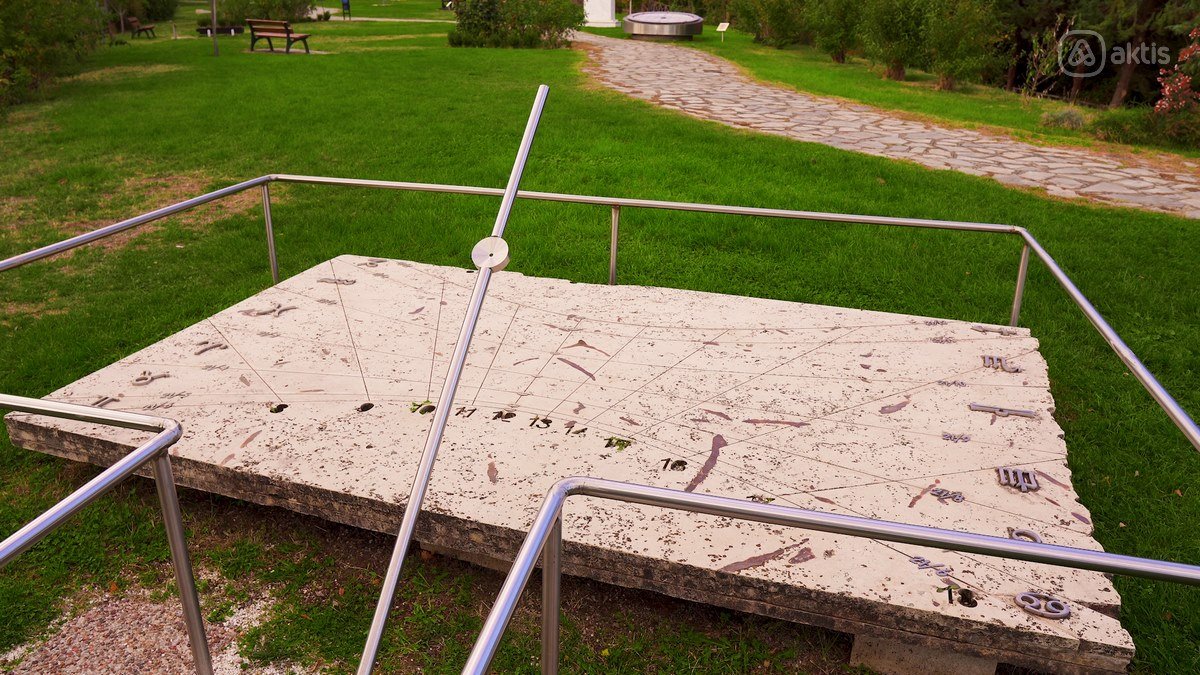
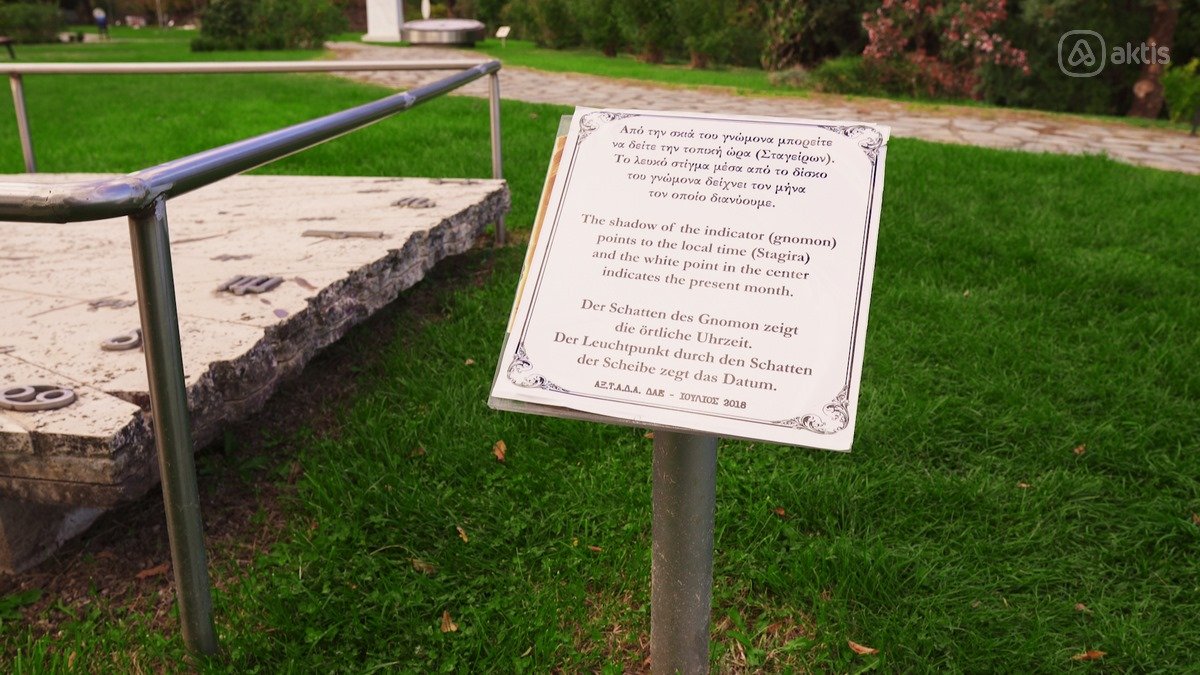
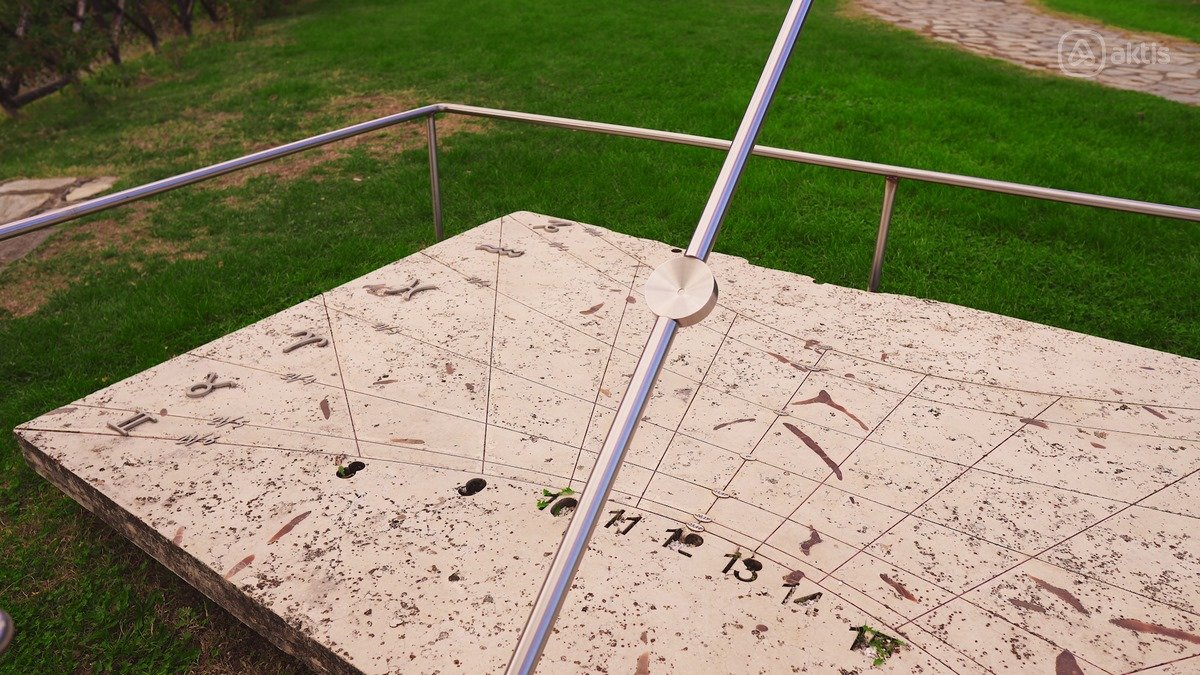
  • Solar clock. A horizontal solar clock that tells time, deviating slightly during summer and winter, while also identifying the current month based on the sun’s position.
  • Lens. Demonstrates how energy from photons is concentrated at a point, increasing its intensity.
  • Compass. Symbolizes the universal reach of Aristotelian philosophy, displaying directions and distances to famous cities worldwide.
  • Pentaphon. Explores sound frequencies by producing different sounds through percussion on five granite materials.
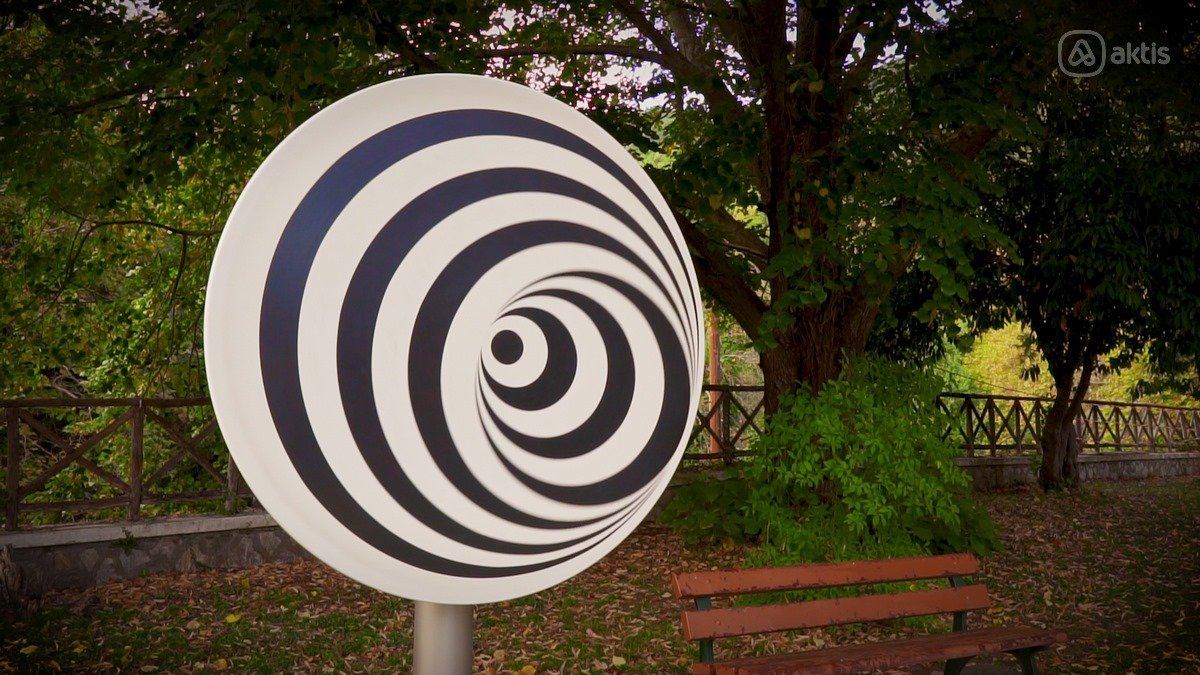
  • Optic disks. Explains persistence of vision, an effect where images passing quickly before the eye are perceived as continuous, forming the basis of cinema.
  • Pendulum. Demonstrates energy transfer between oscillatory systems.
  • Hydro-turbine. Illustrates how energy generates a water vortex, mimicking natural whirlwinds.
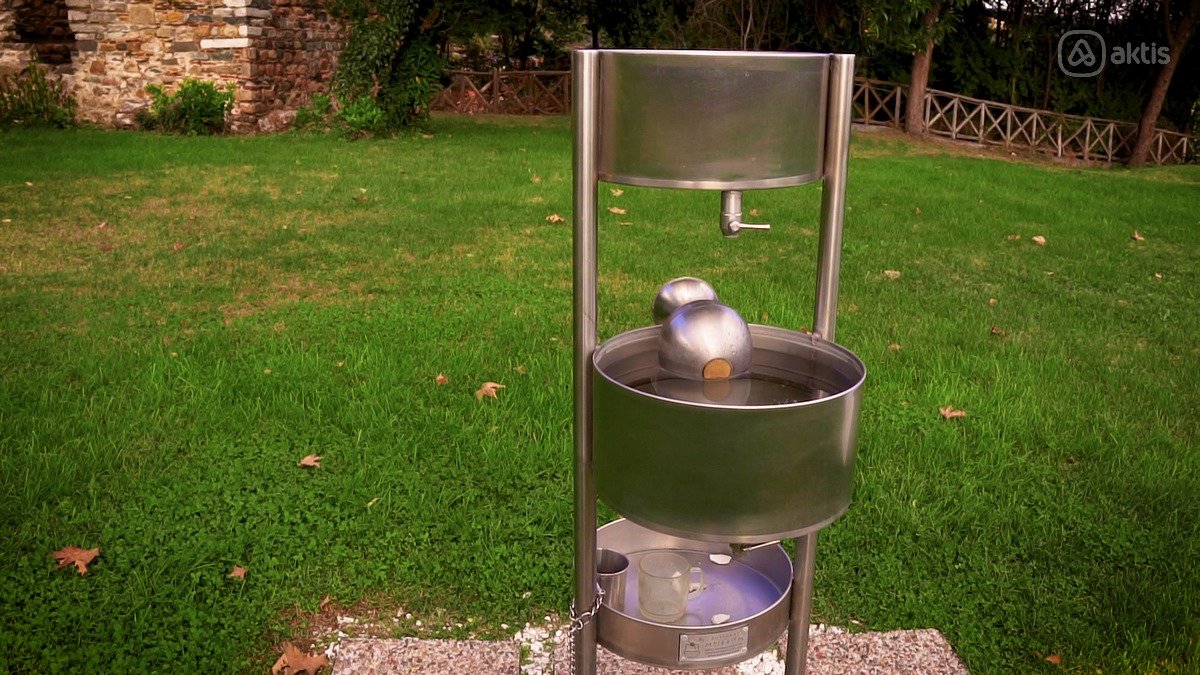
  • Inertia spheres: Visualizes momentum transfer, where energy is preserved and passed sequentially between spheres.
  • Parabolic mirrors: Enables whispered conversations over long distances by concentrating sound waves at the mirrors' focal points.
  • Telescopes. Offer stunning views of the bay and surrounding mountains.
  • Aristotle's clock. A hydraulic alarm clock invented by Aristotle to maximize study time.

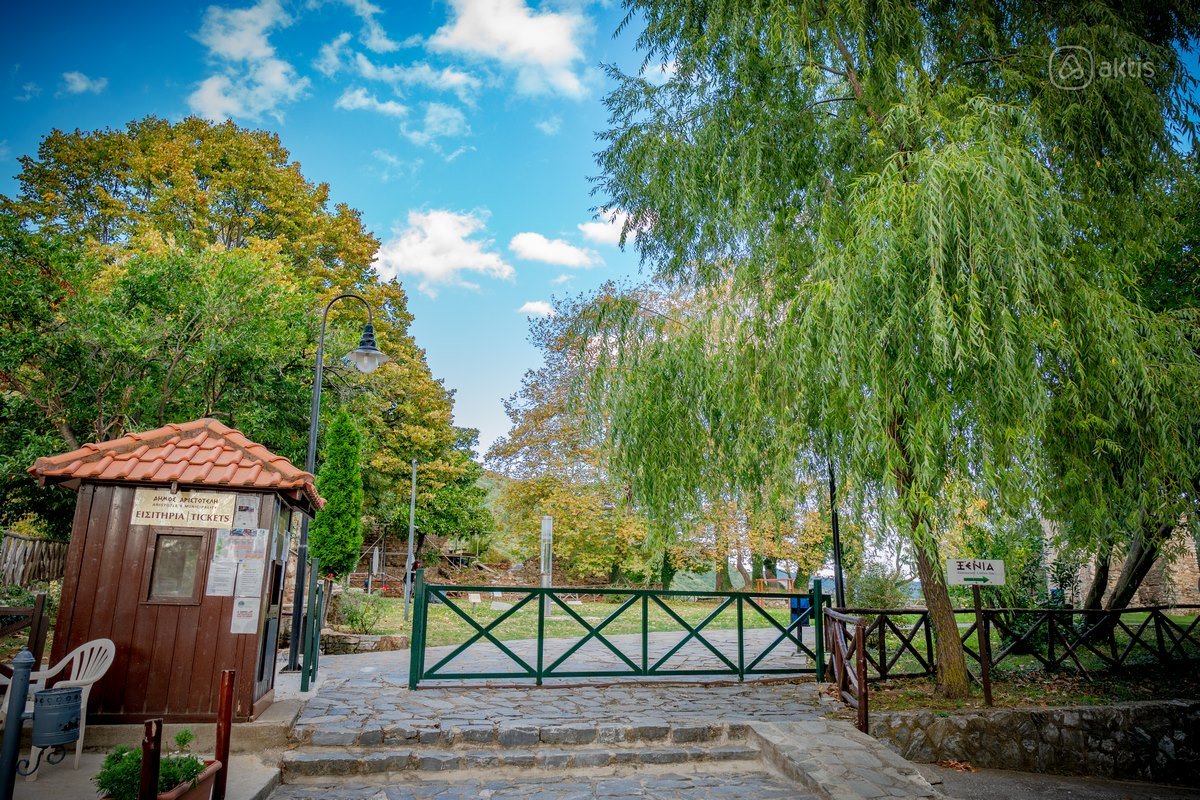
Tickets cost just €2, and the best times to visit are in the morning or evening to avoid the midday heat. The park features a seasonal restaurant, XENiA coffee shop, offering refreshments alongside magnificent views. Surrounded by lush greenery and mountainous terrain, the park is perfect for picnics and leisurely strolls.

What's nearby

  1. Inside the park stands the Tower of Madem Aga, a Byzantine-Ottoman structure with a rectangular base measuring 8.3 by 7 meters and a remaining height of about 12 meters. It was part of the medieval fortress complex, which dates back to the 9th century. During the Ottoman period, it served as the administrative center of Sidirokafsia, a settlement focused on mining silver and lead. The region flourished from the 15th to the 17th centuries due to the profitable mining industry. The tower was used as the headquarters for the Turkish governor, known as Madem Aga ("Madem" meaning iron and "Aga" being a title for a leader).

  2. Across the main road from the park lies the Ottoman Hammam, constructed by İshak Paşa in the late 15th century as part of the Sidirokafsia settlement. The bath consists of three main sections: the cold disrobing room, the elongated tepid room, and the spacious hot room with two private chambers. A hypocaust system beneath the floors channeled heat to warm the rooms. Conservation efforts have restored much of the structure, despite the devastation caused during the Revolution against the Ottoman Turks in 1821, which led to the abandonment of Sidirokafsia.

  3. Located on a small peninsula a few kilometers east of the park, ancient Stagira is the birthplace of Aristotle. Founded around 655 BC, this historic city played a significant role in events such as battles against the Persians and Athenians. Its key features included protective walls and watchtowers built in the 5th century BC, an acropolis on the northern hill, and an advanced water supply system with a cistern and water channels. Destroyed by Philip II of Macedon during the Olythian War, Stagira was rebuilt in Aristotle’s honor. However, it gradually declined over the centuries. The ruins of a Byzantine castle known as Lipsazda can be seen today.

  4. The nearby Stratoniko Mountain is a haven for nature lovers and hikers. Its forests of oak, beech, and chestnut trees host over 600 plant species. The mountain’s highest peak rises to 913 meters. Among its trails, Aristotle’s Route is a 14-kilometer path connecting Ancient Stagira to Aristotle Park. This medium-difficulty trail allows visitors to follow in Aristotle’s footsteps while enjoying breathtaking scenery and opportunities to spot wildlife such as wild boars, hares, and various birds.

Aristotle Park and its surrounding attractions are a must-visit for those staying in nearby towns like Stavros, Vrasna, or Olympiada. With parking facilities, historical sites, and natural experiences, the park offers a quick yet enriching outing suitable for families, nature enthusiasts, and history lovers alike.